







Search Results for: coffee bean taste
Why Does Coffee Taste Salty? Analyzing the Sources of Saltiness from Processing Method and Bean Variety to Brewing, and the Reasons Espresso Tastes Salty
When drinking coffee, you may occasionally encounter a salty taste. This is not an illusion, nor is there anything wrong with your sense of taste. Coffee itself contains four basic tastes: sour, sweet, bitter, and salty, which balance each other out. Once sweetness is insufficient, saltiness tends to emerge. The sources of saltiness are quite complex, potentially involving the processing method, coffee bean variety and altitude, defective beans, brewing water, roast level and freshness, as well as extraction technique, among other factors. Among these, espresso tends to have a more pronounced salty sensation due to the relationship between taste distribution and concentration. This article will go through the causes of saltiness one by one, while retaining Front Street brand recommendations, to help coffee enthusiasts understand and try to avoid brewing a cup of coffee with a salty taste. [more…]

Espresso Beans for Beginners | Is There a Big Difference in Taste Between Espresso and Americano? How to Choose High-Quality, Rich Espresso Beans?
Did you know? Espresso has a rich mouthfeel and intense flavor, often making it hard for people to accept, but once you get used to it, you find it has a unique charm. Moreover, espresso is also a coffee used to test coffee quality and barista skills. Since espresso is loved by so many people, [more…]
Coffee Flavor Descriptions | What Defects Can Be Found in Single-Origin Coffee Beans? How Can Coffee Beginners Identify Negative Flavors in Coffee?
When learning coffee tasting, most people focus their energy on describing positive flavors. For example, when describing a cup of coffee, they can rattle off "jasmine, lemon, strawberry, caramel, chocolate," but when they taste something unpleasant, they can only say "burnt bitter, muddy, green and astringent." In fact, to learn coffee tasting, [more…]
Specialty Coffee Bean Flavor and Variety Analysis: The Four Taste Profiles of Sour, Bitter, Sweet, and Salty, and Coffee Choices Suitable for the Elderly
Walking into Front Street Coffee (FrontStreet Coffee), faced with more than 50 kinds of coffee beans on the menu, many first-time visitors often don't know where to start. How exactly are coffee flavors described? What are the characteristics of the four major taste spectra: sour, bitter, sweet, and salty? Where do the flavor differences among beans from the world's three major coffee-producing regions come from? And which groups of people are suited to the three major varieties Arabica, Robusta, and Liberica? Starting from Front Street Coffee's tasting experience, this article systematically sorts out the logic behind the formation of coffee flavors and the characteristics of the varieties, and offers drinking suggestions for older coffee lovers, helping you find your own cup in the dazzling world of coffee. [more…]
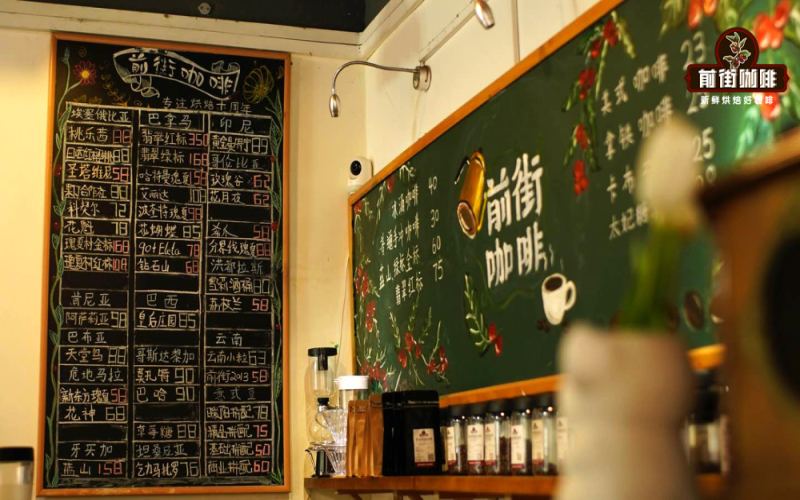
From Single-Origin to Blend: The Combination Logic and Flavor Blending Methods of Colombian and Brazilian Coffee Beans
Coffee blending is not simply mixing several beans together, but is built on a thorough understanding of the flavor differences among various origins. Starting from the actual blending schemes of FrontStreet Coffee, this article sorts out the differences between single-origin beans and blend beans, the respective applicable scenarios of raw blending and roasted blending, and the core purpose of blended coffee in pursuing flavor consistency and taste balance. The article breaks down in detail three espresso blend recipes—specialty blend, commercial blend, and dark cocoa blend—using Colombian, Brazilian, Robusta, and Yunnan AA as raw materials respectively, analyzing their proportion settings, processing methods, and the final taste performance presented, to help coffee enthusiasts understand the blending ideas behind the blends. [more…]
Where Does Coffee Sweetness Come From? How to Brew Sweetness Out of Black Coffee and Recommendations for High-Sweetness, Non-Bitter Beans
Many people are puzzled when they first encounter coffee: why can unsweetened black coffee be described as "sweet"? In fact, the sweetness of coffee is not sugar directly captured by the taste buds, but a comprehensive sensory experience that combines taste contrast with olfactory associations. From the perspective of Front Street, this article first explains the sources of coffee sweetness—the transformation of green bean sugars during roasting, the sweet aftertaste brought by sour and bitter stimulation, and the sweet associations triggered by aroma; then it offers practical advice, including how to choose high-sweetness coffee beans, how to highlight sweetness during brewing, and techniques such as extending the time coffee stays in the mouth during tasting, holding the breath, and capturing retronasal olfactory notes. The article also recommends beans such as Front Street Strawberry Candy, Front Street Xizhua, and Front Street Mozart to help you more easily taste the sweetness in coffee. [more…]
A Comprehensive Guide to the New SCAA Coffee Flavor Wheel: From Sour, Bitter, Sweet, and Salty to 85 Flavor Layers
The update to the coffee flavor wheel has made the tasting system more complete, but many people still feel confused when faced with descriptions like citrus, berries, and nuts. In daily brewing, Front Street Coffee recommends beans from different regions based on guests' taste preferences, while accurately identifying flavors requires systematic training. This article starts with the four major taste spectrums—sour, sweet, bitter, and salty—and, combined with the complete classification of the new flavor wheel, interprets one by one the specific expressions of floral, fruity, herbal, nutty and cacao, sweet, spice, sour and fermented, alcoholic fermentation, roasted, and other categories, helping coffee enthusiasts build a clear framework for flavor perception. [more…]
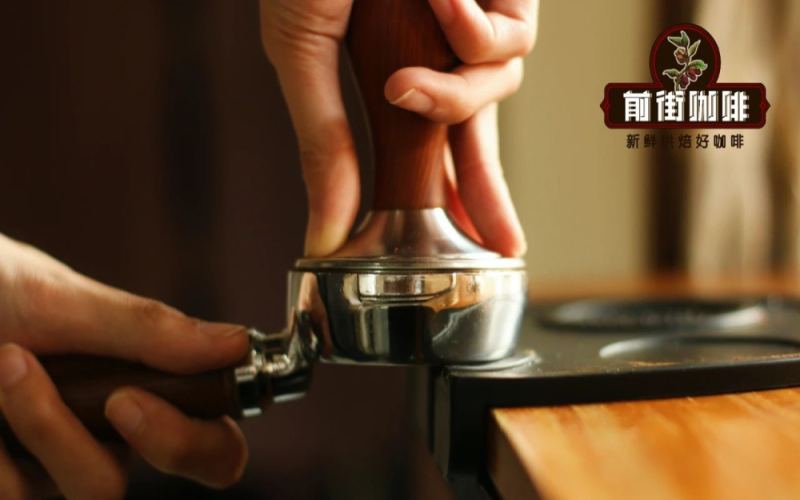
Black Coffee | Does black coffee mean Americano? Is there a big difference in taste between Americano and Long Black?
What does Americano taste like? The answer is almost self-evident—the taste of Americano comes from the coffee beans. Americano is simple to make, favoring convenience, speed, and a free, easygoing style. Compared with espresso, Americano has a relatively lighter, more refreshing mouthfeel and can better restore the coffee beans' original flavor. So Americano is basically available at every coffee shop [more…]
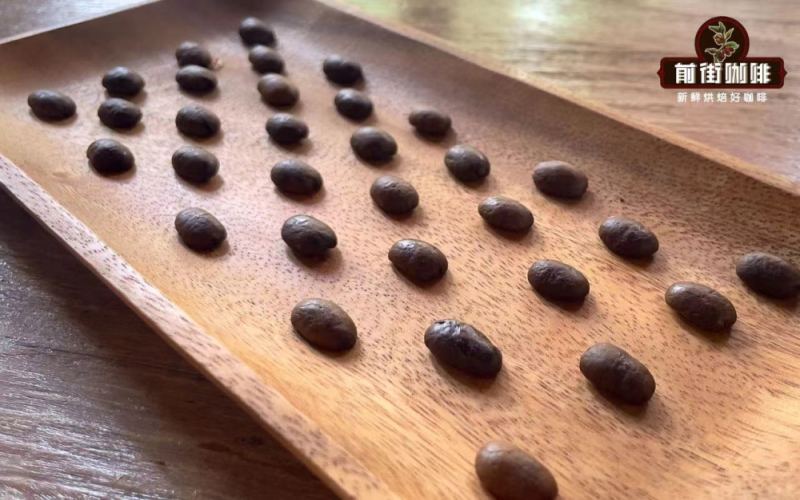
Which is better, Mandheling coffee or espresso? Starting from the flavor differences between blend beans and single-origin beans
Espresso versus Indonesian Mandheling—one is famed for its rich, velvety smoothness, the other for its herbal, spicy flavor. Which one actually tastes better? This question cannot really be answered simply. From the perspective of Front Street Coffee, this article first clarifies the basic concepts of espresso coffee, espresso, and single-origin coffee, then analyzes why espresso blends have become the mainstream choice, as well as the respective pros and cons of SOE and Mandheling espresso. At the end, it also includes recommendations for several popular espresso blends and Mandheling beans available at Front Street, helping you find the cup that suits your personal taste. [more…]
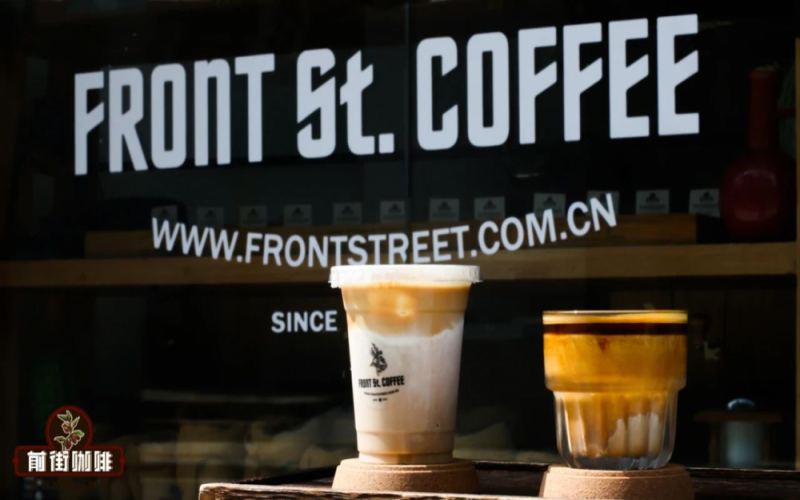
Does homemade latte always taste a bit off? Choosing the right coffee beans and milk is key
Many people feel that the latte they make at home doesn't taste as good as the one from a coffee shop. In fact, the problem often lies in the pairing of coffee beans and milk, rather than the machine not being expensive enough. Drawing on the practical experience of Front Street Coffee, this article sorts out the core elements of making a delicious latte: how to choose a medium-to-dark roast coffee bean suitable for lattes, how to match milk according to the characteristics of the beans, the approach to adjusting extraction on a home espresso machine, and the flexible ratio of espresso to milk. The article also recommends several Front Street Coffee espresso beans and their latte flavor performance, and provides a simplified milk heating method. As long as you master these details, you too can easily make a good latte at home that suits your own taste. [more…]
The Difference Between Single-Origin Coffee and Blended Coffee: A Comprehensive Analysis of Types, Blending Methods, and Flavor Characteristics
For coffee enthusiasts, understanding the difference between single-origin coffee and blended coffee is an important step in exploring the world of coffee. Single-origin coffee centers on beans from a single origin, emphasizing the unique character of regional flavors; blended coffee, through the skillful blending of multiple beans, pursues balance and complexity in taste. This article systematically sorts out the definitions, representative types, blending ratios, and flavor characteristics of the two, from Blue Mountain and Colombia to Mandheling, from cappuccino to mocha, helping readers comprehensively master knowledge of coffee classification. At the same time, the article also specially recommends related products from Front Street Coffee, providing professional reference for your coffee purchases. [more…]

SCAA Pour-Over Specialty Coffee Flavor Wheel High-Resolution Download and Systematic Knowledge of Flavor Terminology
The coffee flavor wheel is a recognized tasting tool in the specialty coffee community, but when faced with descriptors like citrus, berries, nuts, and chocolate, many people don't know how to match them. Starting from the high-resolution image of the latest SCAA flavor wheel, this article systematically sorts out the compositional logic of coffee flavor: the relationship between the four basic tastes of sour, sweet, bitter, and salty and the roast level, the proportion data of each taste substance, the subdivision of the acidity spectrum, bitterness spectrum, sweetness spectrum, and saltiness spectrum, as well as an item-by-item analysis of the nine major flavor groups including floral and fruity, green and herbal, nutty and cocoa, sweet, spicy, sour and fermented, alcoholic fermented, roasted, and other. The article also intersperses Front Street Coffee's daily training methods and representative bean recommendations, helping readers build a complete tasting framework from smelling to drinking. [more…]
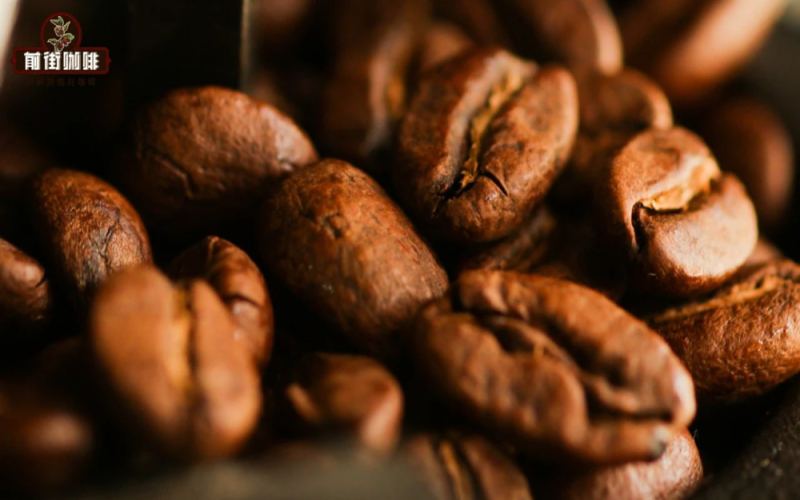
What Makes a Good Espresso? An In-Depth Analysis of Burnt Flavors and How to Fix Them
The flavor expression of espresso depends on the coordinated interplay of various parameters during the extraction process. Coffee beans have a dense structure, so fine grinding and high-pressure water flow are required to extract the ideal flavor in a short time. Baristas need to adjust the grind setting, dose, brew ratio, and extraction time according to the roast level; otherwise, underextraction or overextraction can easily occur. This article systematically sorts out the taste characteristics corresponding to three extraction states, gives the specific performance of ideal espresso in terms of sweetness, balance, layering, and clarity, and recommends two Front Street Coffee blends suitable for making espresso. At the same time, for the common burnt flavor in espresso, it analyzes the causes one by one from five perspectives: extraction time, water temperature setting, coffee bean quality, tamping method, and bean resting period, helping readers find the root of the problem. [more…]

Indonesian PWN Golden Mandheling Coffee Bean Flavor Characteristics and Front Street Coffee's Complete Guide to the Five-Step Tasting Method
Tasting a cup of coffee is not mysterious or unfathomable—master a systematic method and you can clearly and methodically judge its quality. This article starts from Front Street's five-step tasting method, breaking down in turn the five stages of aroma, taste, flavor, mouthfeel, and aftertaste, helping coffee lovers build a complete sensory evaluation framework. On this basis, it further focuses on Indonesian PWN Golden Mandheling coffee beans, introducing their strict screening standards and grading system, and providing specific tasting references—from the hazelnut notes in the dry aroma to the black chocolate and caramel flavors after sipping, presenting this signature Mandheling's clean, full-bodied, and richly layered overall performance. [more…]
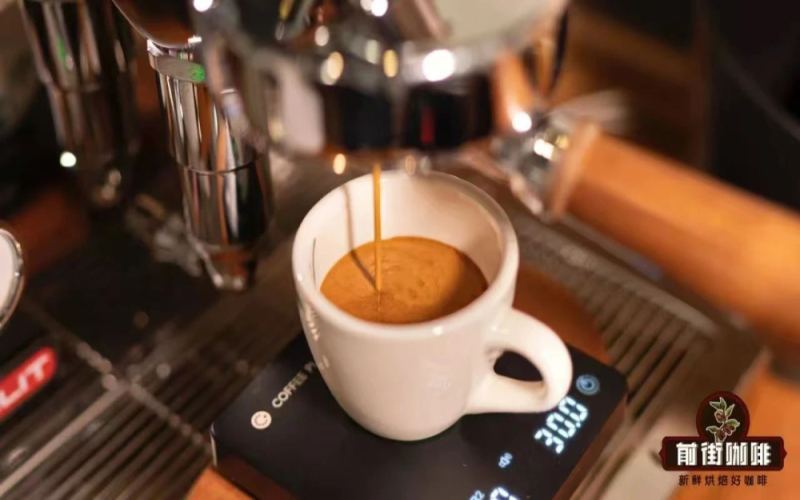
How to Taste Espresso: A Complete Step-by-Step and Flavor Guide from Bean Selection to Drinking
Espresso may be small in volume, yet it carries a concentrated aroma and a complex tasting experience. Many people are taken aback by its intensity and bitterness the first time they try it, and cannot understand why anyone would knock one back in a single gulp. In fact, the flavor profile of espresso is closely tied to the coffee beans used—everything from the choice of light, medium, or dark roast to the design of the blend ratio directly shapes what you taste on the first sip. This article begins with the historical background of espresso and the reasons behind its taste and mouthfeel, then introduces the flavor characteristics of four medium-dark roasted espresso blend beans from Front Street Coffee, before breaking down in detail the correct steps for drinking espresso straight, along with two alternative ways to enjoy it—Espresso Macchiato and Espresso Con Panna—to help you find the cup that suits you. [more…]
Barista Tasting Primer: Where Does the Sweetness in Black Coffee Come From? Practical Pour-Over Tips for Strawberry Candy
Many friends who are just getting into coffee have this question: coffee has no sugar added, so why do some people say it's sweet? In fact, the sweetness of coffee is not sugar directly picked up by the taste buds, but a combined sensory experience formed by taste, smell, and association working together. From the perspective of Front Street, this article systematically explains the sources of coffee sweetness—including the transformation of sugars in green beans during roasting, the sweet aftertaste effect brought by the contrast between acidity and bitterness, and how retronasal olfaction leads us to associate sweetness with certain foods through aroma. At the same time, the article also shares practical tips in three areas—bean selection, brewing, and tasting—to help you perceive sweetness more clearly in black coffee, and includes extraction suggestions for beans such as Front Street Strawberry Candy. [more…]
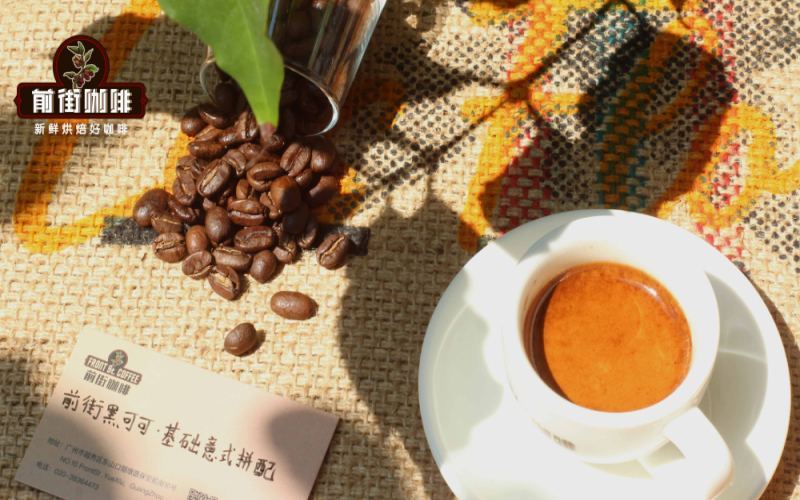
How to Make a Delicious Americano with Espresso Blend Beans? Colombian and Brazilian Bean Pairing and Front Street Coffee Recipe Analysis
To make a delicious Americano with a drip coffee machine, the choice and blending approach of the blend beans is crucial. This article begins with the definition of coffee blending and the two methods of raw blending and roasted blending, sorts out the goals, principles, and steps of blending, explains the purposes of blending such as stabilizing flavor and balancing taste, and introduces the characteristics and limitations of single-origin SOE. It then provides three espresso blend recipes from Front Street: Specialty Blend (Colombia Huila + Brazil Cerrado), Commercial Blend (Colombia + Brazil + Robusta), and Dark Cocoa Blend (Yunnan AA + Brazil), along with the distinctions and preparation methods of fancy coffees such as latte, cappuccino, flat white, and affogato, as well as the key points for making Americano black coffee. [more…]
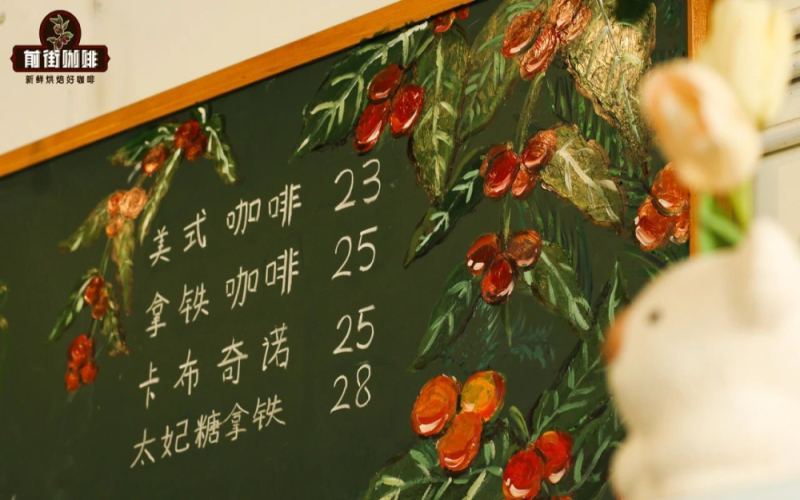
What Exactly Is American Black Coffee? Analyzing the Differences Between Americano and Long Black and Blend Bean Choices
Many coffee enthusiasts simply equate Americano black coffee with Americano, but in fact there are subtle differences between the two in concept and preparation. This article starts with the flavor sources of Americano and the production differences between Americano and Long Black, analyzes the impact of espresso extraction status on taste, and systematically introduces the recipes, flavors, and applicable scenarios of several espresso coffee beans used in Front Street Coffee stores, including Sunflower Warm Sun Blend, Dark Cocoa Blend, Specialty Blend, and Commercial Blend, to help readers understand the bean logic and extraction key points behind a delicious cup of Americano black coffee. [more…]
Recommended Coffee Beans with Great Value and Taste: Balancing Budget and Drinking Frequency
Cost-effective and great-tasting coffee beans are best approached by gradually building your judgment through tasting experience. When buying beans for everyday use, you need to consider how quickly you'll drink them, how much to buy at once, and whether you'll mainly make black coffee or milk coffee at home. The flavor words on the packaging can offer clues, but they can't replace the actual drinking experience—whether the acidity is gentle, whether the sweetness lingers, and whether the [more…]
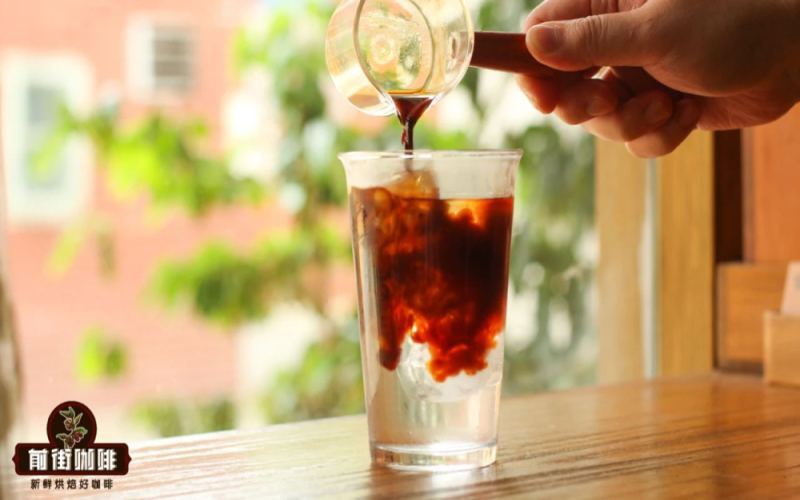
How to Choose Americano Coffee Beans That Aren't Sour? A Full Analysis of Hot vs. Cold Differences and Pour-Over Comparison
When many people drink Americano, their biggest concern is whether it is sour or bitter, and this is actually closely related to the choice of coffee beans, the extraction method, and the drinking temperature. Starting from Front Street Coffee's brewing experience, this article systematically sorts out the relationship between espresso and Americano, explains in detail the differences in flavor expression between hot Americano and iced Americano, analyzes the common reasons why Americano tastes bitter, and compares pour-over and SOE Americano made separately from the same Costa Rica Mozart coffee beans. Finally, according to different needs, it introduces the characteristics of several Front Street espresso blend coffee beans to help you find the Americano beans that suit your taste. [more…]